Showing posts with label Articles. Show all posts

23 Jul 2014

The Next Age Of Foursquare Begins Today


By Ellis Hamburger at The Verge:  


In mid-May, Foursquare decided to split itself in two. The first half is Swarm, an app that lets you find friends nearby and check in. The second half is the forthcoming Foursquare 8.0, a complete redesign of the company’s existing app that has until now been kept secret. It's launching in just a few weeks. In the words of CEO Dennis Crowley, the new Foursquare is the app he always wanted to build — an exploration app unhindered by the check-ins that previously held center stage. Now we’re finally getting to see how it looks.


The new Foursquare swaps the service’s trademark green for pink ("watermelon"), and ditches its famous bouncing-ball logo for a vibrant "F" flag. Foursquare’s new wordmark is bold and grown-up instead of a playful doodle. The company looks nothing like before, and that’s the point. Battling the world’s preconceptions about the company is seemingly just as important as battling Yelp and Google.

"The check-in story has dominated the brand and user experience," says Crowley. "We’d hear people say ‘I had no idea I could use this app to search for places.’" So, the new Foursquare puts personalization front and center. Every piece of the new app that’s customized just for you, like your favorite foods served at nearby places, is accentuated in pink. Crowley calls Foursquare’s hyper-contextual recommendations "superpowers," a theme that has become increasingly prominent within the company in recent years. Crowley repeats again and again that Foursquare should help you see through walls and find the best places instantly in a city across the world.


In early brainstorming sessions, the company tried globes, magnifying glasses, and other symbols of exploration to represent the company. More than twenty-five different Foursquare icons rotated across the home screens of the company’s many employees, a series of A/B tests to see what felt right. But eventually, the company rallied around Crowley’s "super" vision. The new Foursquare icon’s blocky pink "F" is Crowley’s superhero emblem as much as it is a flag, or a location pin. Instead of saving the world, however, Crowley’s app might help you find the best soba in SoHo.


Foursquare hopes that its new design will make the service’s strengths more obvious, and provide more room for experimentation. "The existing version of Foursquare didn’t have enough room for us to flex all the things we wanted to do," says Crowley. "There’s been so much stuff locked up in admin tools and insider Foursquare views. Adding a 'most popular this month' section would’ve been awesome, but where are you gonna put it?" As part of today’s announcement, Foursquare is also teasing a few features of its new app, one of which is a Billboard-style "Most Popular" module that lets users see which places nearby are hottest right now. Thanks to its users who still check in, Foursquare is perhaps the only company that can track up and coming places with so much precision. But even without check-ins, Crowley argues, Foursquare’s unique "Pilgrim" location engine can pin you down at specific places better than any other app.

While many of Swarm’s user reviews have been disappointing — the app holds a 1.5 star rating in the App Store as of this writing — COO Jeff Glueck says that current users are checking in more than ever. "People are using Foursquare and Swarm better," he says. "They check in more often on Swarm according to our data, and are using Foursquare more often to explore. We’re seeing more Explore queries once people migrated." Glueck emphasizes that it’s a very vocal minority of Foursquare users who have opposed the company’s changes, which not only moved check-ins out of Foursquare but largely removed mayorships and the app’s points system for competing with friends for check-ins. Foursquare has since added back some of these features to Swarm.


Foursquare admits that it could’ve managed expectations a bit better, and timed the two app launches closer together so users weren’t confused. "It wasn’t a mistake. There is no prior arc with someone trying to do an unbundling like this before," says Crowley, "but I don’t think there’s any real perfect way to do it." In the next few weeks, the company plans to finish pushing all of its users to Swarm before completely removing the check-in from Foursquare once and for all. Another big change it will have to communicate is that Foursquare and Swarm will soon contain two separate friends lists. Foursquare will let you follow people and tastemakers you like, while Swarm will let you pick who you want to share your general location with, which is likely a much smaller group. This distinction perfectly exemplifies why Foursquare struggled as an app containing two often-separate utilities.

One year ago, rumors swirled that morale at Foursquare had hit a new low. The company’s two focuses, check-ins and local recommendations, seemed interminably at odds. Only 5 percent of its users did both when they opened Foursquare each time. Today, Foursquare is getting the fresh start it always wanted — a chance to look different, and an opportunity to take on not one but two important new roles in peoples’ lives. Crowley and co. are betting that with their two new apps, people will finally understand exactly what Foursquare is for.

Why Many People Want Their BlackBerrys Back After Switching


By Zach Epstein at BGR:


Following the release of the original iPhone in 2007 and the subsequent launch of Android, many people with work-issued phones spent years asking for their employers to switch away from BlackBerry smartphones to more modern devices. Finally, as Apple and Google increased their focus on security and BlackBerry hit dire straights a few years ago, workers began getting what that wanted and bring your own device (BYOD) policies became more common.

More recently, however, an interesting trend is being observed: Workers want their BlackBerrys back.

Following the release of the original iPhone in 2007 and the subsequent launch of Android, many people with work-issued phones spent years asking for their employers to switch away from BlackBerry smartphones to more modern devices. Finally, as Apple and Google increased their focus on security and BlackBerry hit dire straights a few years ago, workers began getting what that wanted and bring your own device (BYOD) policies became more common.

More recently, however, an interesting trend is being observed: Workers want their BlackBerrys back.

FROM EARLIER: BlackBerry says its square phone is already stealing back iOS and Android users

CIO’s Tom Kaneshige reports on an interesting phenomenon that we’ve heard rumblings of in the past. At companies where employees were permitted to ditch their work-issued BlackBerry phones and bring their own iPhones and Android handsets, they’re now begging their IT departments to move back to BlackBerry.

Why? It turns out there are a few reasons.

For one thing, there are privacy concerns. When workers use their own iOS and Android devices, IT departments gain access to all of their private data in addition to any corporate apps that might be on the devices. It’s never a good thing when you have to hand over a smartphone packed full of naked selfies so that IT can fix an issue with email not syncing properly.

Beyond that, IT professionals Kaneshige spoke with say they are having some serious problems with mobile device management (MDM) software, and the related on-device apps often cause issues like battery drain and device bogging.


The full report


10 Jul 2014

How to Create Content That Goes Viral


By Danielle Brooks at Social Times:  


With so much content on the Web, it can be difficult to gain exposure. Even if you produce the best resource on your topic, there’s no guarantee that your website will attract more visitors than usual. While Google gives precedence to higher-quality content when determining their search rankings, making sure your efforts are rewarded requires more than just writing. Without an outreach campaign, you may never get decent results.

Getting your content shared online is one of the best ways to gain exposure. While it can take months to rank your website organically, sharing gives you the chance to receive a significant amount of traffic. Gaining social shares isn’t as difficult as you may think. As long as you create a useful resource and contact the right people, there’s no reason why the content you produce won’t get shared.

At The Pink Group, we recently produced a piece of content that amassed over 12,000 social shares. Below is a step-by-step guide on how we achieved that.


Research and write
Performing market research is probably the most important part of the content production process. The Internet is riddled with low-quality content that’s been rehashed time and time again, so unless you find a topic related to your industry that will actually benefit readers, you will have no chance of acquiring social shares.

After researching social media branding, we discovered that one of the primary issues businesses face – regardless of their field – is seamlessly integrating their brand logo across the many social networks. In the business world, convenience is essential, so we developed “The Social Media Cheat Sheet” to streamline the process. After the research stage, developing the content was easy.


Communicate with your industry
After you develop your content and publish it on your website, you will need to communicate with other bloggers and businesses within your field. At this stage, the idea is to simply make them aware of your content in order to generate interest and acquire feedback. Some people may share it voluntarily, but that’s not the purpose. It’s more about honing your piece and developing relationships.

At The Pink Group, we contacted other businesses that were directly related to the branding industry. We carefully selected the candidates based on their social following, relevance and whether or not they actually needed help.


Ask for shares
With a free “product” that actually benefits others, asking for social shares isn’t unreasonable; therefore, most bloggers and businesses will be more than happy to help promote your content. However, asking for shares without building a relationship isn’t recommended – that’s just spam. Be polite and go the extra mile by writing personalized emails in the build-up to asking for help.

As expected, when we asked for shares there were some people who were unwilling and thought it was rude; however, they were the small minority. At least 95 percent of the contacts we communicated with were willing to share; not because they wanted to give us exposure, but because the product offered their readers something beneficial that they couldn’t provide.


Establish a community
Getting social shares is just the beginning. Don’t just take what you want and leave your contact in the dark; make sure you send them a thank you message, give them updates on new developments and ask them how your content has helped them. If you keep them in the loop, they may share it again in the future. In addition, be sure to respond to queries and feedback from their readers via their social updates. Simply acknowledging comments is a great way to encourage other readers to share your work.

At the Pink Group, we continue to maintain relationships with those who have shared our content in the past; and some of them have gone on to share it multiple times, providing more than enough traffic to make the time and effort worthwhile. In addition, we’ve managed to establish new relationships through their followers.


Conclusion

Fundamentally, social media marketing is about building and maintaining relationships. Selfish behavior and simply asking for shares won’t cut it. Unless you develop content that’s unique, beneficial and targeted towards your industry, you’ll never achieve viral success.

But don’t give up. Not everything you do will have viral potential or reach the same level of success — you can never fully predict the outcome of a marketing campaign and even if you develop the best content on the Web, it could take multiple attempts before you find something that’s genuinely worth pursuing on a greater scale.

9 Jul 2014

9 Ways to Use SlideShare for Your Business


By Michael Jaccarino at Social Media Today:


SlideShare is a popular presentation tool for the business world that allows you to create presentations, upload them to the cloud, and share them with colleagues. With a globral ranking of 124 on Alexa, SlideShare is the most visited document and presentation-sharing website in the world, getting over 60 million users a month. As the network still isn't over-saturated from marketers, SlideShare is a fantastic social network to promote your presentations both in and out of network and get the visibility you need. Here are nine great ways you can use SlideShare for your business.


Use SlideShare in Meetings

Keeping your employees’ attention is easy when you are sharing a creative, informative SlideShare presentation during a meeting. SlideShare relies on the power of images and colorful headings to get your message across, and even when that requires more slides per presentation, each slide takes 10 seconds or less to read, allowing for a presentation that will ultimately be memorable and useful for your employees.


Get Found Through Search

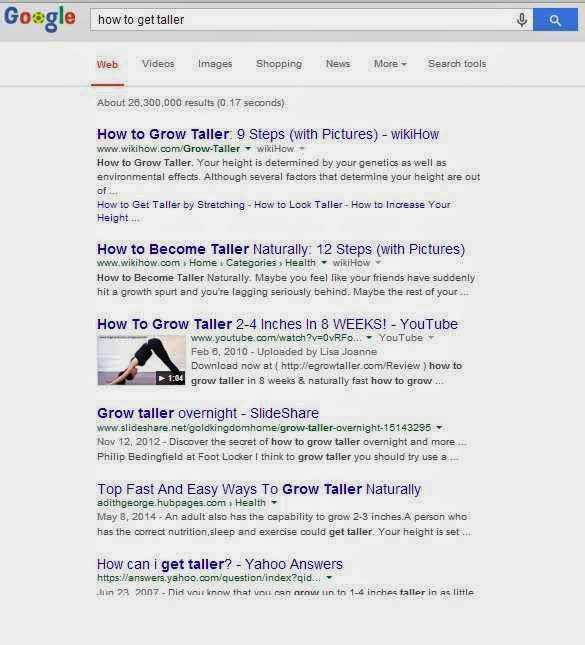
SlideShare content is frequently featured in Google search results making it an extremely effective platform to use in your SEO efforts. Just take a look at the following screenshots. The following image is a screenshot using the keyword "types of conflict" which shows up as #1 in Google.


Here's another screenshot for keyword "how to get taller" which shows up as #5 in Google


As with any other content that you create, it's important that you optimize to ensure the full potential to rank. There are a few basic things to keep in mind to help you with ranking higher in search (both for search engines and to be found internally through search on Slideshare).

The first thing to keep in mind is the name of the actual file you create. Make sure to name your document, PDF, presentation or video using the keywords that you want your presentation to rank for.

You should also use your keyword in the title as well as some long-tail keywords in the description of your presentation. Also don't forget to take advantage of the presentation tags. You're allowed to use 20, and while it's unkown whether Google crawls these tags, they will help with ranking your presentation within SlideShare's search.


Measure Your Visibility Online

If you are serious about bringing success to your business through your online presence, premium SlideShare features allow you to measure how often people are viewing your SlideShare presentations. This information will allow you to continually develop a strategy to make sure your SlideShare content is being seen by as many people as possible.


Drive Traffic to Your Website

As mentioned above, creating a Slideshare presentation is a great way to get your content discovered through search. By including a link or links within the presentation to your website, you'll be able to drive visitors that may otherwise not have found you.

Aside from just adding links to your slides, you should also consider using a call-to-action that directs visitors to take a specified action. You can direct users to a dedicated landing page where they can get more information about the services you offer or offer them a free eBook that goes into more detail on the information in your slides.


Gain Free Exposure

When someone views and reaches the last slide of your SlideShare presentation, they have the option to share it on Facebook, LinkedIn, Twitter, Pinterest, or by hyperlink. The availability of so many sharing options makes your SlideShare presentation easy for those with whom you have shared to continue to share it with their own contacts, who will also continue to share the content if they find it valuable. This exponential sharing can only help your business because it increases your exposure and lets more people know you are available to meet their needs.


Inform and Educate Customers or Clients

The most valuable thing you can share with customers and clients you want to gain or retain is engaging information that will help them to understand who you are and ways your company is useful to them. SlideShare is designed to help bold infographics shine, so you can share statistics and quotes that will show customers and clients you are informed about your industry. “How-to” guides are also very valuable for customers and clients, because it gives you a chance to educate others about how they can incorporate knowledge related to your field into their everyday lives.


Discover Presentations Relevant to Your Field

The best thing about SlideShare operating online is that you can easily search for and view other SlideShare presentations that people in your field are creating. It is important to always keep updated with current trends in your field, so you can keep up with the competition and reflect valuable insight in your own SlideShare presentations.


Use SlideShare to Support or Complement Other Marketing Content

SlideShare is one of many social media tools you can use to market your business. Add a Slideshare widget to your website, blog or LinkedIn page and anyone who views social networking platforms associated with your business will have immediate access to your SlideShare presentations. A SlideShare presentation may even drive traffic to your blog or website for the first time, giving new leads a chance to learn more about your business and what you can do for them.


Become Part of a Valuable Community

When you become a part of the SlideShare community, it gives your SlideShare content a chance to be featured on the SlideShare homepage. Every month, SlideShare staff members hand-pick some of the best SlideShare presentations they can find and put them on the homepage, where they will be seen by thousands of people. This means invaluable exposure for your company as well as the gratification of knowing that a powerful social media platform supports you and recognizes your potential for success as a business.
With so many great reasons to use SlideShare for your business, it is no wonder that thousands of people are a part of the SlideShare community. Join this powerful community today and watch your business grow!

8 Jul 2014

Instagram for Small Businesses: Your New Best Friend


By Stephanie Jones at Social Media Today:  


Instagram is possibly the new lifeblood of social media platforms for small businesses.  Is that overdramatic? I thought so, but it’s true in a sense.  Businesses are seeing a drastic decrease in organic reach to their followers on Facebook, which until the last year or so has been the bread and butter for small businesses.  We’re not saying you need to get rid of your account, but it’s a good time to start putting you eggs in some other baskets, too.

Instagram is a great place to start.  Just in case you don’t know, Instagram is a social media platform that allows its users to share images with other followers.  For now, it is free to all users and is an easy way to get your business’ name out into the universe.  And it’s a growing universe; there were 200 million users as of the end of March 2014.  What’s more, 75 million are daily Instagram users.

Whether you’re brand spanking new to the world of Instagram or have found yourself unsure of how to manage your account, here are some tips to turn you into a small business Instagram marketing guru.

1)     Brand Your Account
The first thing you should do when setting up an IG account is to make your mark by personalizing and branding your profile.  Add your logo or headshot as your profile picture, type up a quick bio and include a link to your business’ website or Facebook page.  Leaving this information out is a red flag to other IG users as it appears you aren’t a credible source or a spammer.

2)     Grow Your Following
The next step is to connect your IG account to your Facebook account.  This not only allows you to see who is on Instagram, but it also allows you to cross post your images to Facebook – a great way to drive engagement on both platforms! The area where Instagram is the same as other social platforms: you must engage.  Like other users’ images and leave comments.  You can also create Facebook Instagram apps via Woobox. This gives your account further exposure on your business page.

3)     Follow Back
You don’t have to follow ALL of your followers, but those whose ideas and interests align with your business are exactly the type of folks you should follow.  That way you can stay engaged with them and they, in turn, will engage with you and your content.

4)     Don’t Over Post
It’s kind of easy to get carried away on Instagram, especially if you have several pieces of content that you know will make your followers go gaga! The great thing about Instagram’s news feed is that it’s pretty laid back, where an image can be viewed in a feed for up to 15 hours.  Because of this, it’s not necessary to even post daily, but many brands do.  The average amount of Instagram posts by Top 100 brands is 5.5 times per week.

5)     Balance Your Images
While Instagram is a fun platform and is a great way to share your business’ story, you have to remember you’re there to engage your customers.  Make sure that you have a balance of fun photos with photos that highlight your product or business.

People love visual content, so that makes Instagram the ideal social media marketing platform for small businesses.  It’s also currently a completely free way to market your business to potentially millions.  Follow people, engage and you will have an impassioned following before you can say hashtag.

15 Apr 2014

5 Of The Biggest Social Media Marketing Mistakes You Can Make


Via DigitalSherpa Blog: 


The press loves to share social media marketing blunders that brands make, and we love reading them because quite simply they are entertaining. However, when the joke is on your brand, you might feel differently.

What measures do you  have in place today to help prevent a social media PR crisis? If the answer is none, it’s time to start thinking about an action plan to help rectify the situation in the event that your brand becomes involved in a social media blunder. In the meantime, we wanted to share 5 of the biggest social media marketing mistakes that we commonly see businesses making, and hopefully this article will help you to avoid them:

1- Neglecting to implement a social media policy.

You absolutely need to have a clearly defined policy for how your brand’s social media will be handled, and this is especially important if you are going to allow your team members to access your social media accounts. Not having a social media policy that explains how employees should represent your brand online can put you at increased risk for a social media PR disaster.


2- Using the same marketing strategy for every social media channel.

Not only do the audiences vary on social media sites, but so does the lingo and content that you should be sharing. If you’re new to a social media site, take the time to research how your audience communicates before jumping on board.


3- Having an incomplete social media bio. 

Always be sure to include an excerpt about what your business does, where you are located, and your website address. Surprisingly, many businesses don’t complete their bios in their entirety, causing them to potentially miss out on leads and lose credibility with their audience.


4- Assuming that social media is a one-way street.

You audience does not want to constantly see push marketing efforts from your brand in their newsfeed. Instead, businesses need to realize that social media is a two-way street and provides a unique opportunity for them to connect with prospective customers and deepen the relationship.


5- Focusing too much on the number of fans versus the quality. 

Yes, it’s great to have a lot of people that “like” your Facebook page; however, if you are just willy nilly trying to increase your fan base on social media by asking everyone to “like” your page, you may not have the best strategy in place. Instead, if you take the time to focus on the quality of your followers, you can build a much more powerful marketing resource.


While social media is arguably one of the most powerful marketing tools that business owners have available, it can also be very damaging to your brand’s reputation if mistakes are made. Remember that it’s better to be prepared with a policy and strategy in place before it’s too late!


After reading through this list, can you relate to any of these common mistakes? Any other mistakes to avoid?


14 Apr 2014

Is A Smaller Fanbase Now The Key To Facebook Success?


By Chris Crum at WebProNews:  


Komfo recently released results of a study about Facebook Page reach and engagement that’s currently making the rounds. The study looked at 5,349 Facebook Pages. It found that fan penetration has decreased from 25.2% in August to 11.3% in March. Likewise, viral amplification has decreased from 0.42% to 0.39% in that time. The good news is that clickthrough rate has actually increased from 5.62% to 8.33%.

This report makes the case that you should focus on rallying around a smaller community on Facebook. Would this work for your business? Let us know in the comments.

“If you think about it from your own perspective as a Facebook user, our lists of friends are constantly increasing. We follow more and more brands on Facebook, we participate and involve ourselves in different groups, and last but not least we often access Facebook from our smartphones”, says Hans Tosti, Innovation Director at Komfo. “If you melt this down to the very basics, you will see that being mobile and continuously on the run also means that we no longer spend time clicking on different profiles, but primarily focus on what we are exposed to in our newsfeeds. The newsfeed offers limited space, and if the users have many friends and like many brands it becomes really important to expose them to the content that Facebook knows is interesting to and engaging for them.”

“For a long time now, when our customers came to us and said that they wanted to spend money on advertising in order to increase their fanbase, we instantly told them that the size of their fanbase is not directly related to their success on Facebook. As always, it is better to count on quality than quantity”, he adds. “Instead, brands should focus on having smaller fan bases, create some local pages and actually ensure that the users who like their page really love the brand and want to engage with it. Fan engagement is a crucial factor on Facebook, and as long as you prove to Facebook that your fans really are willing to engage with you, no matter the size of your fanbase, the algorithms will automatically ensure that your brand shines through in the newsfeed.”

That might be a bit optimistic. Consider what Valleywag’s Sam Biddle recently wrote, discussing the big decline in organic reach:

A source professionally familiar with Facebook’s marketing strategy, who requested to remain anonymous, tells Valleywag that the social network is “in the process of” slashing “organic page reach” down to 1 or 2 percent. This would affect “all brands”—meaning an advertising giant like Nike, which has spent a great deal of internet effort collecting over 16 million Facebook likes, would only be able to affect of around a 160,000 of them when it pushes out a post. Companies like Gawker, too, rely on gratis Facebook propagation for a huge amount of their audience. Companies on Facebook will have to pay or be pointless.

That 160,000 still sounds like a lot of people, sure. But how about my favorite restaurant here in New York, Pies ‘n’ Thighs, which has only 3,281 likes—most likely locals who actually care about updates from a nearby restaurant? They would reach only a few dozen customers. A smaller business might only reach one. This also assumes the people “reached” bother to even look at the post.

How engaging a Facebook post is is subjective, but things aren’t easy for those just starting Facebook Pages. If you have a small number of fans, at least in some cases, you’re looking at miniscule reach.

Furthermore, more engagement from a small group of readers isn’t necessarily the best outcome for a business who needs to reach a larger amount of people to get its message out. Obviously advertising is the option you’re left with, though plenty of brands have complained about the effectiveness of that too.

Komfo says, “The bottom line of our study is businesses must create Facebook relevant and engaging content, and move their focus away from a large fan base to a smaller fan base that really loves the brand and wants to engage. At the same time, businesses should consider lowering the amount of their call to action posts and focus on interactive posts instead. Brands must also support their content efforts with Facebook advertising, in order to maintain a high level of Fan Penetration, while improving their page’s reach and engagement.”

The reality might simply be that Facebook is no longer for you. That’s what Eat24 recently decided. There also happens to be another social network pretty well known for its smaller communities and higher engagement, and it (so far, at least) hasn’t reduced Pages’ organic reach to get them to advertise. In fact, it doesn’t even have ads on it – at least not on the News Feed-like destination of the product.

Forrester recently declared that marketers need to be using Google+, finding that 0.69% of brands’ fans or followers interact with their posts, which is significantly better than the percentage for Twitter, and only slightly smaller than Facebook. With organic reach on Facebook dropping rapidly, it wouldn’t be surprising to see Google+ overtaking it on this metric.


Another recent report from Shareaholic found Google+ (and connected YouTube) to be a whole lot better than Facebook for post-click engagement:


To be clear, this isn’t some endorsement for Google+ on my part. There are no doubt plenty of people getting much more out of Facebook (or other social networks), but these numbers are worth looking at as businesses grow increasingly frustrated with a social network they once had success with.

Anti-Glassholes: The Movement Against Google Glass


By Simon Hill at Digital Trends:


We named Google Glass our best mobile product of 2013 because of the game-changing potential, but not everyone agrees. There is a growing movement that firmly opposes it. What is it about Google Glass that has businesses pre-emptively banning it, an anti-surveillance group campaigning against it, and even a software subscription service called Anti-Glass?

What Glass is: Currently only available in prototype form, Google Glass costs $1,500 for early adopters. You wear it like a pair of glasses and there’s a small glass prism that sits over your right eye, allowing you to glance up to see a 640×360 pixel color display that’s translucent. It’s designed to be tethered to your smartphone. You can use voice controls to record video, take photos, perform Web searches, get directions, make video calls, and thanks to app support, it can do new things every day.

The Anti-Glassholes

There’s a Stop the Cyborgs campaign online that is encouraging businesses to ban Google Glass over concerns about surveillance and invasion of privacy. Japanese researchers have even developed “Anti-Glass” glasses that use infrared LEDs to prevent you from being identified. There have also been moves to ban driving with Google Glass, a clash with a Glass-wearing customer in a Seattle cafe, and a host of other Google Glass bans.

All of these bans are focused on the fact that Google Glass has a camera built-in, and for the most part they’re the same bans that have been applied to smartphones, or any other recording equipment. It is the potentially surreptitious nature of Glass recording that seems to generate most concern. The fact that people may not be able to determine when they are being recorded or scanned is a real issue.

“We swiftly saw the potential for Google Glass to be used to personally identify strangers against their wishes,” explains Eric Schiffer, chairman of ReputationManagementConsultants.com and creator of a service called Anti-Glass. “Technology should not advance to the detriment of the public.”

The Anti-Glass service is designed to prevent people from being able to identify you using Google Glass. “It’s a set of proprietary algorithms that our engineers put together, essentially what it does is, it works much like a radar jamming device,” says Schiffer.

Schiffer’s Reputation Management consultancy claims to protect the privacy of top CEOs, celebrities, and rock stars. This is achieved in various ways including by “suppressing negative search listings” according to the website. Now for “anywhere from $3,000 to $15,000 for a year” clients can enjoy anonymity in the face of Google Glass wearers.


“The people we want to protect are women, children and people who want their privacy,” says Schiffer, and he cites a worrying scenario where a predator might use Google Glass to identify a woman, access her online data, and use it to gain her trust. It’s hard not to be reminded of the short film Sight: Contact Lenses with Augmented Reality.


Is facial recognition inevitable?

Google has already denied that facial recognition software will be made available on Glass, a point it reiterated a couple of weeks ago in an official post on the Google Glass profile on Google+, “As we’ve said before, regardless of technological feasibility, we made the decision based on feedback not to release or even distribute facial recognition Glassware unless we could properly address the many issues raised by that kind of feature.”

You’ll note that the statement doesn’t preclude Glassware like this coming out in the future. As Schiffer points out, “it’s naïve for anyone to think that facial recognition software isn’t coming.”
In fact there are already cloud-based services like ReKognition and the NameTag app. Other companies like Lambda Labs are also working on solutions. That’s before you consider the possibility of developers deliberately side-stepping Google’s policies.


Why the fuss?

There are a lot of different issues at play here and people have a right to their privacy, but there are also a few things worth keeping in mind. Google Glass really can’t do anything that existing smartphones can’t do. Cheap spy cameras that can secretly record are already freely available. Facial recognition software that identifies you and pulls up online information is already out there, and can access public profiles and freely available data.

These privacy concerns also seem to laser focus on a single issue and ignore the potential good that Glass might deliver. It’s already being trialed by doctors, police officers, and even Virgin Atlantic’s airport check-in staff. There’s definitely room for a device like this to assist professionals and create a better experience for all of us. There’s also something to be said for the ability to record video and shoot snaps hands-free.

“When cameras first hit the consumer market in the late 19th century, people declared an end to privacy. Cameras were banned in parks, at national monuments and on beaches.  People feared the same when the first cell phone cameras came out.” argues Google in The Top 10 Google Glass Myths, “Today, there are more cameras than ever before. In 10 years there will be even more cameras, with or without Glass. 150+ years of cameras and eight years of YouTube are a good indicator of the kinds of photos and videos people capture — from our favorite cat videos to dramatic, perspective-changing looks at environmental destruction, government crackdowns, and everyday human miracles.”

It’s easy to shrug off these issues as barriers to the advancement of technology, but no one really wants to be recorded without their permission. If you imagine someone sitting in a bar holding their smartphone up and pointing it at you, it’s not hard to see how it might make you feel uncomfortable or even angry. Right or wrong this is how some people feel about Google Glass right now.


6 Apr 2014

12 Tips For Tapping The Power Of Pinterest


By Lisa Pearson at BazaarVoice Blog: 


Pinterest is the ultimate shareable wishlist, but it comes with real rules of engagement. Here are 12 tips your brand can implement to engage audiences and build your presence.


A New Survey Reveals Which Social Media Brands People Are Most Attached To 
By Christine Champagne for Co.Create

A recent Brand Dependence Social Media Survey measured “the degree consumers believe a brand is like themselves and the degree to which thoughts and feelings about a brand come to mind.” The researchers were searching for the degree of attachment consumers feel for social media brands.

Among 18-24 year-olds and 25-44 year-olds, Pinterest ranks third. Comparatively, Instagram was first for adults 18-24 and second for adults 25-44. Facebook was the opposite, ranking second for the 18-24 segment and first for 25-44 year-olds. Twitter surprisingly didn’t make the top 5 for any age group. Researchers found that although people used Twitter, they “had a hard time relating to the brand because they didn’t fully understand how to use Twitter.”

Pinterest is an emerging social media giant, and a brand that people like and evangelize; further highlighting the potential of promoted pins.


5 Reasons Online Retailers Can’t Ignore Pinterest 

By Kris Spisak for Business 2 Community

In an average order, Pinterest shoppers spend $169. The average order by Facebook shoppers is $95, and $70 by Twitter shoppers. In case that isn’t convincing enough, Spisak shares five reasons why Pinterest shouldn’t be ignored.

1- People buy with their eyes first. Striking visuals are more effective and Pinterest is an image-driven social sharing network.

2- Pinterest has a big audience – over 70 million users.

3- Pinterest drives more referral traffic than YouTube, Google+, and LinkedIn combined. Post valuable pins and they will spread organically through multiple pinners, driving traffic back to your site.

4- Rich Pins share real-time prices and inventories. Users are emailed by Pinterest when prices drop. Even if someone isn’t on a retailer’s email list, through rich pins retailers can still drive pinners back to their websites.

5- Retailers can identify trending products via a widget that collects data. Target’s Awesome Shop uses this data to create a collection of its most pinned items.

Pinterest is young compared to Facebook and Twitter, and it shows a ton of promise. Also, the competing noise is minimal right now, which means your buys and efforts are more effective.

If you aren’t on Pinterest, your first steps should include integrating pin-it buttons on appropriate website images and utilizing rich pins.


Five things brands should be doing with Pinterest 
By Simon Robinson for Marketing Magazine

Try out the steps above, and then implement these five steps to get the most from your Pinterest presence.

1- Monitor Pinterest for mentions to better understand your customer. People collect, organize, and share what inspires them, revealing their likes and wants. Use Pinterest’s API to better understand their preferences by examining your brand’s most-pinned content.

2- Re-pin to improve brand authenticity. By re-sharing content pinned by other users you demonstrate that you value their engagement. You should also comment on established boards to make your brand more visible. Make “stars of your most ideal customers by showing how they use your products & services”. Target is collaborating with top pinners to launch collections.

3- Build a Pinterest profile that tells your brand story. Embrace your story and share other stories that relate to your brand. Nordstrom created a board for guest pinner Sarah Jessica Parker, sharing her experiences in different cities and shoes.

4- Engage to deepen relationships and create advocates. Seek valuable brand advocates through their boards. Pinterest is at its heart a social network – so the same ideas about engaging through conversations apply. A tip for any social media contest: if you’re asking people to share branded content give them a topic or photo to use and a hashtag, which makes searching for posts easier.

5- Up sell based on personal customer preferences. Pinterest’s API will eventually allow brands to deliver an even more personalized experience. Imagine a consumer pins a designer dress. She then receives an email from your brand thanking her for her pin, and suggesting relevant shoes and accessories for the dress. Maybe your email directs her to your guest blogger’s post on make-up and hair styling tips to complete the look.


Pinterest Readies for Its Big Ad Business Rollout 
By Melissa Hoffmann for Adweek

After October 2013’s experiment with promoted pins, Pinterest is ready to launch its highly-anticipated paid ad business. Starting in 2014’s second quarter, a select group of marketers will be the first to pay for promoted pins. Advertisers will be charged via a cost-per-thousand impressions model or a cost-per-click model, depending on their goals.

Is it worth paying for promoted pins when you can engage customers for free?

With paid ads, marketers will reach much more of Pinterest’s audience than is currently possible –  promoted pins will appear across the site. Right now, a user only sees a brand’s pin if she follows the brand or if someone she follows re-pins that pin. Promoted pins can be targeted to specific searches. The only noticeable difference between a promoted and regular pin is a small label on the bottom border. Imagine someone searching for kitchen makeover, seeing the latest Sherwin-Williams paint colors in a beautiful pin, and clicking through to a DIY on the brand’s website. Now offer a 10% coupon on paint and tools at the bottom of the post, when they join the emailing list. Pinterest can play a powerful part in reaching motivated potential customers.

This is a huge opportunity to partner with a site where image-focused ads are a strong, organic fit. Be thoughtful. The goal is to add value in ways customers will appreciate. Blatant sales messaging should be avoided at all costs. A Wall Street Journal article provided a good example:

“The key to success isn’t pushing commercial messaging too overtly. It’s OK to feature Hellmann’s brand messaging in a promoted pin, but better to post a recipe featuring Hellmann’s, said Jennifer Gardner, Unilever’s director of media investment partnerships North America.”

A consumer searching for a picnic side dish isn’t likely to be impressed by a glamour shot of a mayonnaise jar. But an appetizing photo with a recipe – that uses Hellmanns – is perfect. Think about your consumer and their needs; let that guide your brand.

Ultimately all of these tools help you deliver a better experience to ensure long-term loyalty. Pinterest is just one piece of this strategy, but it’s growing into a bigger piece every day. Create a Pinterest presence now and start interacting before it gets too noisy.


Understanding Klout as a Brokerage Business


By Lucy Leiderman at TNW: 


Klout, the San Francisco based start up that measures your social influence, was acquired last week by Lithium Technologies in a deal that is supposedly meant to redefine both companies. Since its launch in 2008, Klout has apparently scored 500 million profiles and handles 50 billion API calls monthly, yet its day-to-day relevance remains a mystery for many.

On the surface, users link available social profiles to Klout in order to be scored. While a possible humble brag, a Klout score doesn’t necessarily translate into something useful. In 2012, Wired suggested candidates in social trades were being disqualified from jobs if their Klout score, depicting online influence, was too low.

As employers turn more to the Web to see if candidates practice what they preach, this may be even more prevalent today. There was also an implication that with a high Klout score, users are less likely to be ignored by customer service when they complain on social platforms, and in contrast, receive perks as perceived social influencers.


Perk-based model


That brings us to Klout’s business platform, which allows companies to offer perks to specific kinds of influencers. Perks are delivered straight into your account (and your email, depending on your communications settings), as an incentive to come back to Klout and redeem your perk.

Klout even lets users scroll through trending perks they didn’t get, in order to see how much social influence resulted from a company’s initiative. The perceived benefits to brands signing on are that when social influencers redeem the perk, the company has a good chance of getting earned media.

While calling a paid campaign’s results ‘earned media’ is contentious, nothing beats honest engagement.


Why Klout is a brokerage business

Klout, however, remains a brokerage with limited use to brands because one very important feature is missing – a feature that could potentially make or break the service. While Klout collects data and statistics on all of its users, there is no option to search for influencers by interest or location.

It’s clear to guess why, though. If Klout allowed agencies or brands to search directly for highly influential people in specific locations with relevant interests, this would cut out Klout completely and connect brands to real people, offering them products or services on other social networks.

Imagine if companies were able to use Klout scores to connect with influencers in any given city and engage them to cover activations? Or if brands launched last-minute stunts and flash mobs by connecting with exactly the right people, who care about the right things, at the right time?

The possibility of measuring social influence, and communicating directly based on that, offers an agile world of marketing capability – greater response rates through more efficient, directed communications.

However, the Klout business model is currently not built to facilitate such campaigns. Companies that strive to adopt a human persona and engage the people who may turn their social tide must go through the middleman if they want access to Klout’s inventory of the movers and shakers of social.

Would adopting such a model demystify Klout’s purpose and existence? We’ll just have to wait and see what Lithium Technologies decide to do with the service.

5 Apr 2014

5 Ways to Reuse Your Content Across Social Media Platforms


By Brenda Barron at Intuit Blog:

Social media doesn’t have to be a major time sink. You can boost your engagement with customers and prospects across channels simply by repurposing your original content.

For example, let’s say you spend several hours writing a new post for your business’s blog. In it, you provide expert insights only you can offer, backed up by research. Once you’ve published the information, you’re ready to share it. Providing its title with a link on Facebook and Twitter is fine when the post first goes live. But how can you continue to promote your content in the days and weeks that follow?

The answer: Grab individual elements from your blog post and serve them up in a way that complements specific social networks.

1. Turn the photo into a pin. Every blog post should feature at least one high-quality photo. Pin this image, along with an enticing sentence that sums up the post, to your primary board on Pinterest. Set the source link to your blog post. Also share the photo, along with the top takeaways from the post, on Google+ and Facebook. Be sure to include links back to your blog and your pin.

2. Create a photo with a compelling quote from the blog post. You don’t need to be a graphic designer to make this happen. Plenty of tools automate the process, such as the mobile apps InstaQuote and Overgram. Of course, you could also use professional photo-editing software like Photoshop or Pixelmator. Share the finished product on Instagram.

3. Reuse the photo-quote on other social sites. Wait a few weeks after posting the quote to Instagram and then share it on Twitter, Facebook, and Google+ with a link to the blog post as a “reminder” of your content to your followers and friends. Try to avoid sharing the same content on all of your social accounts on the same day, to avoid appearing lazy.

4. Tweet individual tips from the blog post over time. You may be concerned that you’re “giving away the farm” and that followers won’t click through to your post. You’re not, and they will. Your short bursts of info act as bait. If you want your tweets to be retweeted, keep them under 120 characters, Search Engine Watch says. No one likes to see retweets with the last few words cut off. Also, be sure to re-share your tweets four times, eight hours apart, to make sure you catch people across all time zones, according to Guy Kawasaki, founder of Alltop.

5. Create a presentation. Pull the main ideas from your blog post — with a few key quotations — and turn them into slides. If you need visuals, it’s easy to find Creative Commons-licensed images on sites like Morguefile, Flickr, and Compfight. Upload your polished presentation to a site like SlideShare. (You could also pin each of your slides to Pinterest.)


31 Mar 2014

25 Ways to Make Your First Online Sale


By Mark Hayes at KissMetrics Blog:  


As an online merchant, making your first sale is as symbolic as it is necessary.

Completing the first sale sounds straightforward enough, yet the optimism and reassurance it brings can make it the biggest turning point in the life of your business.

However, don’t let the simple concept of a first sale mislead you. Obtaining that first customer can sometimes be a long, arduous battle.

To make the battle easier to win, below are 25 sure-fire ways to make your first sale, and then some.


1. Send Free Samples to Influencers

The Internet is packed with influential bloggers, journalists, entrepreneurs, and vloggers from a wide range of industries and niches.

Many of them have large followings on social media and loyal audiences on their websites.

Sending a free sample of your product to such influencers, who are either within your industry or related to it in some way, gives you an opportunity to let them know you appreciate their work with a small gift. Also, hopefully, you will get a mention on one of their sites or platforms.

Not only will this provide you with a spike in traffic and social media followers, but you’ll also have a seal of approval from industry experts. These influencers will provide you with measurable results following a potential share or shout out, and you’ll likely raise the status of your product in the eyes of potential customers.

A useful resource regarding influencers is KISSmetrics’s definitive guide to influencer targeting, which tells you everything you need to know about getting your brand under relevant, important noses.


2. Start Blogging

If you aren’t already running a blog associated with your store or product, then you’re missing out on the limitless potential of content marketing.

By producing free, valuable content, you will create trust in your brand and keep people informed. Blogging also gives you something to share on social media and helps you rank in search engines.

A simple yet highly effective way to get started with content marketing for your business is to think of all the starting-point queries people have about your products and industry. Using your blog, you can answer these queries as individual articles.

As an example, visitors to the Shopify blog are interested in learning about e-commerce and drop shipping among many other topics. Because of this, we created content that ranks for terms like “how to sell online” and “how to drop ship.”


Additionally, you can use your blog to offer tips, tutorials, and resources related to your products and the lifestyle around your products.

If you can create epic content on a fairly regular basis, you’ll begin to see the power of content marketing via social media shares, search engines, and so forth. All of this is covered under KISSmetrics’s guide to content marketing.


3. Build an Email List

Building up an email list for marketing purposes is absolutely essential.

In fact, according to research by MarketingSherpa, 60% of marketers polled found that email marketing produced an ROI for their company (32% believe it will eventually produce an ROI). When asked what the estimated ROI from email marketing programs for the company were – the overall group reported 119% – a figure that’s tough for any online store owner to ignore.

Having a list of emails from previous and potential customers means you can get your information, products, and content into their personal mailboxes. In contrast, updates made to your Facebook page and Twitter handle will almost never be able to reach your entire following, due to time zone differences and other factors.

Start building your email list today by including an email subscription form somewhere noticeable on your website. Here’s a clever way to convince visitors to sign up for your list. Instead of simply saying “Join our Newsletter,” offer an incentive or some type of value for signing up. Skinny Teatox offers the chance to win a free product every week, so they showcase that offering to encourage people to join.


If you need some more advice on how to get started, KISSmetrics offers the perfect beginner’s guide to email marketing.


4. Sponsor an Event

In some cases, sponsoring an event can work wonders. In other cases, it can be an immense waste of time and resources. To avoid the latter, you’ll need to do your research.

First, you should ensure that you select the right event to sponsor. Search for events where attendees actually will be interested in your products, and then find out how many consumers will be in attendance.

Once you get a rough idea about the different event types and sizes, you can begin sorting them by cost.

It’s also important to avoid sending just a small convoy of marketers to simply set up a table and hand out flyers. If there are potential customers attending, you’ll need to be more creative than that in order to build relationships.

Demonstrate some of your most interesting products to tell your story, get people talking, and provide on-the-spot rewards like coupons and free stickers in return for email list subscriptions and social media follows.

Here are some tips from Inc to help you maximize your return when sponsoring an event.


5. Interview Industry Influencers

Remember the importance of content marketing I mentioned earlier? Well, interviewing an industry influencer is a prime example of how to create epic content.

Interviews work because they are win-win situations. The interviewee gets more exposure, while the interviewer gets their hands on some hot content for their publication, which in this case, is your blog.

Make the most of the interview by asking relevant questions surrounding not only their lives and careers, but also the industry as a whole. This will ensure that fans of the influencer get a taste of their personality, while others will value their expert advice.

A great example of this is 500px’s interview with Elena Shumilova. As a popular name in the world of photography, her interview made perfect content for the online photo vendor.


6. Pull a PR Stunt

If you want that first sale fast, pulling a PR stunt could do the trick.

Much like viral videos, which are based on the same concept, a PR stunt has the potential to propel your brand into fame. If executed well, you’ll be swapping conventional time-consuming brand marketing with instant publicity, gaining you loyal followers and customers in the process.

Essentially, a PR stunt consists of doing something unusual, outrageous, hilarious, or remarkable enough to be worthy of media attention.

If done correctly, your store could benefit from tons of links from authority news sources, which is great for both traffic in the short term and SEO in the long term.

No company pulls a better PR stunt than Virgin. Their founder, Richard Branson, has dressed up like a wedding bride, jumped off a casino roof, posed as a zulu warrior, driven a tank down Fifth Avenue in NYC, and flown a balloon around the world, among many other newsworthy things.

To get your creative juices flowing, take a look at Entrepreneur’s list of top 10 successful marketing stunts. They’ve covered everything from outrageous tattoos to left-handed burgers. Remember, a good PR stunt doesn’t require tons of cash or a big brand to pull it off. It just requires creativity.


7. Experiment with AdWords

AdWords is Google’s hugely popular pay-per-click advertising network that allows online retailers to place advertisements on nearly every Google search results page, YouTube video, and partner website. Who wouldn’t want to rank in the top three of a search query that drives sales? Here’s what shows up when you type “Samsung TV” into Google. Note that the first result is a paid ad from Samsung.


The beauty of AdWords lies in its speed and massive reach. In as little as a few minutes, you can set up and launch an advertising campaign which gets your text, image, or even video ads seen by browsers all over the web.

Using the AdWords campaign options, you can create targeted ads which are triggered and displayed alongside Google searches when Internet browsers search for predefined keywords. Additionally, your ads also will appear on websites and articles which contain similar keywords.

To get started with your advertising campaigns, check out The Next Web’s informative Google AdWords beginner’s guide, where you’ll learn how to build and launch a successful AdWords campaign.


8. Share the Load with Affiliate Marketing

Trying to sell your products alone can be a difficult task, so why not share the load with others?

Affiliate marketing is when you let other people market your products and send you website traffic. In return, you pay them a percentage of any sales that originate from their efforts. Their marketing efforts can be kept track of by giving them unique hyperlinks (which they can post on their website) containing an ID code at the end of the link, just for them.

For example, a website owner may post your affiliate link for a blue sweater that is for sale on your website. If one of his website visitors clicks the link and then buys the blue sweater, you’ll have made a sale, and as an affiliate, the website owner will be entitled to a percentage of that sale.

The success of affiliate marketing schemes depends greatly on the types of products you sell, as well as the commission percentage you reward your affiliate partner.

To get started, check out this explanatory affiliate marketing guide from QuickSprout, which goes into great detail about the different facts, figures, and methods you’ll need to know.


9. Sell Wholesale to Other Retailers

Selling to consumers is fine, but there’s nothing wrong with selling wholesale to other retailers, too, especially if the consumers aren’t biting as often as you’d like them to.

One of the main advantages of selling wholesale is the obvious increase in cash flow. You may be selling with a finer profit margin, but you’ll be shifting products in quantity.

Additionally, if you’re selling your own products, you’re essentially enabling other companies and resellers to market for you, spreading the word about your merchandise as they buy it themselves. In other words, selling wholesale could indirectly boost your consumer sales.

For a crash course on the basics of selling wholesale, check out Entrepreneur’s guide to starting a wholesale distribution business.


10. Publish a Press Release

Lots of new online stores push out press releases in order to attract media attention, but fail.

It goes without saying that to get ignored by every single news outlet when distributing a new press release is demoralizing and often a huge waste of resources.

The secret to getting noticed is simple. Don’t publish a lousy press release!!!

First of all, make sure your news actually is news worthy. Don’t expect a massive response unless you’re giving the public something seriously interesting to read about. Also, a press release should be presented in a way that is concise and professional, without being too monotonous.

Copyblogger has pieced together six ways to write a killer press release, explaining everything from avoiding jargon to creating a magnetic headline.


11. Pay Attention to Stats

Reviewing and acting upon website analytics is paramount. The behavior of every website visitor from entry to exit helps you understand why you are selling, and more importantly, why you aren’t.

Your website stats (or analytics) will show you what your customers are doing on your site, including which web pages they enter, the time they spend on particular pages, and the route they take to leave your site. Occasionally, some tools will display additional information, for instance how frequently a customer visits your site.

It won’t cost you a penny, either. Google Analytics is a completely free service, allowing you to measure your traffic in more ways than you can think of.

Here’s an example from Miracle Berry. You can see steady traffic up until early January when there is a huge jump. They looked at their data and saw that the jump came from StumbleUpon, which could be a good indicator that the social channel is worth pursuing further, either organically or via paid placement.


After you launch your online store and while you’re fighting for your first sale, it’s extremely important to spend time analyzing your traffic in Google Analytics. You never know what you’re going to learn.

If you need a hand getting a grip on the world of analytics, Simply Business offers a comprehensive Google Analytics guide, covering everything you need to know.


12. Run a Survey

Learning about the common pain points and desires of consumers can help you make all the right moves going forward.

Consumer surveys are an ideal tool for obtaining honest feedback. Unlike your friends and family, consumers have no qualms about hurting your feelings by picking at your web design or your marketing material.

To run your very own survey, you can make use of online apps like Survey Monkey and Qualaroo to create online surveys.

Econsultancy has picked up on some important practices to be used when conducting e-commerce consumer surveys, which can help you get the most out of your feedback.


13. Network on Forums

Online discussion forums are great places to give out industry tips and advice, answer questions, and acquire a customer or two.

Use Google to search out some active forums that may directly relate to your niche. When you post, ensure you aren’t breaking any forum rules when you promote your brand or products. Get to know the limits and restrictions of the forum, and stick to them. Using your forum avatar, signature, and profile page to promote your brand are usually well within the rules.

You may feel the temptation to post and promote wildly, but keep it professional. No forum will tolerate constant promotion or posts full of links to your website. Bedsides, acting in such a way online will damage your brand in the eyes of other forum users. So, keep it simple by posting just enough for people to notice your activity, but not enough to constitute spam.

Two popular business focused forums worth getting active on are Digital Point and Warrior Forum, both of which have thriving, helpful communities.


14. Set up a Cartel

Sometimes it’s nice to have some support. A small online cartel could be just the trick.

Find a group of complementary (but not competitive) retailers and agree to promote and support each other. It’s a brilliantly simple way to gain traction in a variety of ways.

For example, if you run an online clothing store, ideal cartel candidates might include jewelry and footwear outlets. Essentially, the stores you would partner with are similar enough to be able to cross-promote and share advice, but not similar enough to create a conflict of interest.

You can opt for a completely private setup, keeping things small and tight-knit, or you can branch out and publicize your online cartel in order to attract more members to help build a supportive community of online merchants.

Take The ecommerce Group for example. Operating via a Facebook group, they have over 2,500 members sharing advice, giving feedback, and providing a helping hand whenever possible.


15. Build the Right Relationships

It’s not what you know, it’s who you know. Building the right relationships, both online and offline, can act as your portal to success.

No matter what type of product you sell or which industry you work within, there always are like-minded businesses out there, and you need to befriend them.

The trick is to build relationships with others that are closely aligned to your business but not direct competitors.

For example, suppliers, blogs, and websites that focus on your industry would be ideal, as they can help provide you with consumer feedback and offer promotional deals, without stepping on your digital toes.

To learn more about how to build a positive relationship with your supplier, All Business offers a great relationship building tutorial.


16. Offer a Contest or Giveaway

Everybody loves free stuff, and if you’re looking to build up some trust while launching your sales efforts, a contest or giveaway could help you do just that.

Not only can contests and giveaways help you build valuable inbound links, they also are a great way to show potential customers that you can be trusted and that your brand means business.

It’s important to remember you don’t have to start big. Tease Tea is a new online tea store running a simple contest on their Facebook page.


This contest costs no money to run and likely took only a few minutes to put together.

Online services like ViralSweep and Gleam allow you to run such contests and giveaways online, helping you to keep things simple and professional without all the added work.

Get started by checking out Stoked SEO’s brilliant tutorial on how to get a ton of eCommerce traffic via giveaways.


17. Begin Tweeting on Twitter

Twitter’s beautiful simplicity is what makes it one of the most effective ways to engage with your target market. An excellent method for finding potential customers is to proactively search for people tweeting questions about your industry and reach out to them in a helpful way.

The idea is not to pitch or even mention your products – just be helpful. For example, when Gary Vaynerchuk was running Wine Library, he would search “Chardonnay” on Twitter and find people asking related questions. All he did was offer advice; he never pitched.


As a result, people would be grateful and naturally look further into who he was, and ultimately discover his business on their own. This is just one of many Twitter strategies that can work wonders for your sales figures.

If you need some real life examples of how to nail Twitter marketing, take a look at the Twitter profile of online jewelry store Lola Rose, which could teach you a thing or two.


18. Make Connections on LinkedIn

LinkedIn is the office block of the Internet. Within it, you’ll find professionals and executives of all types, boasting about their abilities and connecting with others. It’s an online resume so to speak.

After you set up your e-commerce business profile, you can begin doing the same for yourself (if you haven’t already). You may not make many direct sales through LinkedIn, but you’ll discover an array of opportunities with other companies, suppliers, related websites, and more.

LinkedIn Groups also are a stellar way to engage with other business owners in your industry. There are vast amounts of public and private groups set up for specific niches, allowing you to post questions and converse with other members.

To find some relevant Groups, check out Practical Ecommerce’s top ten LinkedIn Groups for ecommerce.


19. Go Visual with Pinterest, Instagram, and Vine

When it comes to representing personality and creativity via social media, the three big visual platforms do it best.

Pinterest, Instagram, and most recently Vine, all allow you to take a slightly different approach to engaging with consumers.

These platforms are the perfect place to present the creativity and passion that goes into your business behind the scenes. Snap pictures of your products, take videos of the manufacturing process, tell a story with images. Always aim for beauty if possible. People love beauty.

Need some visual inspiration? Melt Cosmetics is a new brand that already has over 150,000 followers on Instagram.


They are doing a great job of Instagram marketing, building up a brand image and a following with their beautiful photographs.


20. Don’t Forget Facebook

It may not be what it once was, but make no mistake, Facebook still is a social media powerhouse.

Leverage your personal Facebook profile and your business page to engage with friends, family, and acquaintances and to get people talking about your products. Get creative with status updates and interact on public groups and fan pages relevant to your niche.

It’s also important to keep Facebook Ads in mind. Much like with AdWords, you can create targeted campaigns to attract Likes, make sales, and promote your brand.

A popular blow drying salon in Toronto called Drybar has an extremely engaged Facebook community of over 80,000 who talk all things blow drying.

If you’re fresh out of ideas for your Facebook business page, check out Shopify’s ten ways ecommerce brands can increase traffic and sales with Facebook.


21. Beat the Competition on Comparison Shopping Engines

Many, if not all, consumers like to shop around before making a purchase, and that includes a visit to comparison shopping engines.

Popular engines include The Find, Google Shopping, Nextag, and a range of others, all with thousands of products and stores being simultaneously compared.

Here’s an example from The Find where I’m searching for a price comparison on my favorite hot sauce.


To get noticed, you need to play by the rules of each engine, stay competitive in terms of price, and play the waiting game while you experiment to find out which engine suits you the best and gives you the best ROI.

PC Pro has put together a detailed guide on how to get noticed on Google Shopping, and Sociable360 has a list of the 10 most popular comparison shopping engines with a brief explanation of each one.


22. Create an Infographic

An infographic is exactly what the name implies, a graph of information, or a visual representation of facts and statistics in a form that is easy to digest.

Although they aren’t entirely easy to create, infographics are gold when it comes to social shares and search engine traffic.

In fact, according to UnBounce, which has created an inspiring and detailed guide to marketing with infographics, people are searching for infographics like you wouldn’t believe, with Google seeing an 800% increase in such searches in the last two years.

If you aren’t a visual genius, there’s no need to worry, plenty of firms like Column Five Media offer infographic creation services, leaving you to focus on content.


23. Design your Store to Look the Part

First impressions are everything, and when it comes to selling online, first impressions rely heavily on web design.

Based entirely on your website design, visitors need to be able to grasp your brand and products without too much scrolling or exploring. Furthermore, navigating through your catalog should be easy, if not enjoyable.

Additionally, making your store responsive to mobile devices is nothing short of vital. Perhaps more so than having a website built for standard PCs and Laptops. Internet Retailer recently reported that 55% of all online shopping occurred via mobile devices in June 2013 compared with just 45% from desktops and laptops. We’re seeing similar numbers with our stores at Shopify. So, looking the part on all devices is an absolute must.

To get some creative ideas about your own store’s design, have a look at Smashing Magazine’s list of 35 beautiful ecommerce websites and Inspired Magazine’s roundup of 40 stunning online stores.


24. Hold a Pop-up Store

Just because your store began online, it doesn’t mean it has to stay online. A pop-up store could be just what you need to compliment your online presence.

Unlike traditional bricks-and-mortar premises, a pop-up store is far less of a financial burden, thanks to its temporary nature.

Like most kinds of physical stores, a pop-up store is all about location. You can open a pop-up store at farmers markets, art fairs, shopping malls, galleries, and any other place people gather. Just make sure you’re set up in an area that is clearly visible and where your target market will be wandering.

A pop-up store also can act as a great offline marketing outpost. You can use your store to hand out coupons to be used via your online store, and you can collect email subscriptions and social media followers.

For some ideas on how to get your pop-up store going, Business Insider has compiled no less than eighteen creative pop-up store ideas to get you thinking.


25. Document your Launch on Reddit

Reddit is a socially powered news and entertainment website where registered users submit content. Also, and more importantly, Reddit is a place where you can attract a large number of dedicated followers and customers.

Using the r/entrepreneur subreddit in particular, you can introduce your brand, gain feedback from consumers, and learn lessons, while also promoting your own products.

The process has to be one of give and take, though. Walk those entrepreneurial redditors through your journey, take them behind the scenes, detail your mistakes and expose some personality in order to gain not just customers, but fans, too.

A brilliant example of using Reddit to promote an online store is what the guys at Beardbrand did. The beard grooming specialists documented their launch on the r/entrepreneur subreddit, deriving valuable advice from subscribers and customers, while giving back to them via regular updates and inside information.

Here’s the founder posting an update to the r/entrepreneur community.


Note how many upvotes and comments this post received. Reddit can be an extremely powerful tool, not only for gaining valuable educational resources to help you start your business, but also for helping you make your first sale.

It’s In Your Hands

The 25 strategies listed above are stellar ways to kick-start sales for your online store.

With the right approach, you will need only a handful of the strategies listed above to make the first of many sales.

So, what are you waiting for?


Via KissMetrics.
http://blog.kissmetrics.com/your-first-online-sale/